
Anyone who has managed a project for more than five minutes knows one simple truth: things change. Plans shift, timelines move, expectations evolve, and new information surfaces when you least expect it. Some leaders get overwhelmed by the turbulence. Others cling to the original plan so tightly that flexibility disappears.
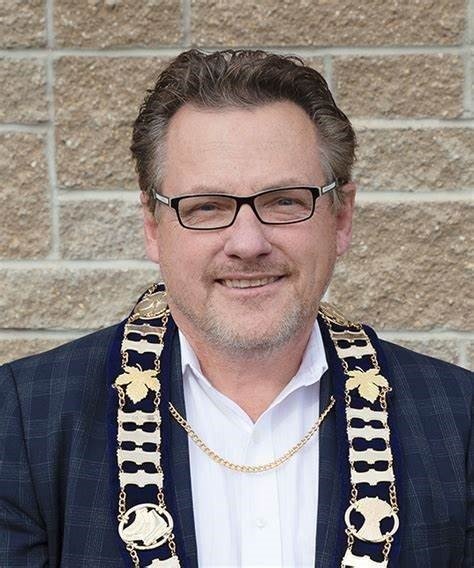
Jeff Colvin takes a different route, balanced, calm, and adaptable without drifting off course. Whether you look at his work documented on mayorjeffcolvin.com or the insights shared on colvinjeff.com, the pattern is clear: Jeff adjusts to change thoughtfully, but he never loses sight of the goal.
His approach isn’t reactive. It’s intentional. Here’s how he manages shifting circumstances without letting the overall mission get shaken.
1. He Anchors Every Project in Core Priorities
When a project has a strong foundation, unexpected shifts become less threatening. Jeff starts by defining the non-negotiables, the outcomes that must remain intact no matter what changes around them.
These priorities answer key questions:
- What is the purpose of this project?
- What outcomes matter most?
- What absolutely cannot be compromised?
By clarifying these early, Jeff ensures that even when adjustments are necessary, the direction remains steady. Noise changes; the mission doesn’t.
2. He Uses Structure as a Stabilizer, Not a Restriction
Some leaders build rigid systems that collapse under pressure. Jeff builds flexible frameworks instead—structures that guide work without locking teams into a single, brittle path.
His approach involves:
- Clear timelines
- Defined ownership
- Built-in checkpoints
- Forward-looking milestones
These provide stability, but they also offer room to pivot when new information comes in. The structure holds everything in place, even when the strategy needs to shift.
3. He Reassesses Without Overreacting
Not every change deserves a full strategic overhaul. Jeff is methodical about distinguishing between:
- Minor adjustments
- Moderate shifts
- Major directional changes
This level-headed filtering prevents teams from wasting energy on constant re-planning. It keeps everyone calm, focused, and clear about what actually needs to change.
His ability to stay composed in moving conditions keeps projects from spiraling into unnecessary stress.
4. He Communicates Clearly and Quickly
One of the fastest ways for a project to lose focus during change is poor communication. Jeff avoids that entirely by:
- Sharing updates promptly
- Explaining the why behind adjustments
- Keeping messaging consistent
- Being transparent about impacts
This communication style reduces panic and prevents rumors, assumptions, or confusion from derailing progress.
5. He Looks for Opportunities Inside the Disruption
Change isn’t always a setback. Sometimes it reveals insights you wouldn’t have seen otherwise.
Jeff consistently asks:
- What does this shift teach us?
- Does this open a better path forward?
- Can we optimize something we previously overlooked?
Instead of resisting every change, he evaluates it objectively. If it’s a setback, he manages it. If it’s an opportunity, he leverages it.
This mindset keeps the project moving forward, even when the path is different than expected.
6. He Keeps the Team Aligned With Reality
Adaptation isn’t just about the leader adjusting—it’s about the entire team recalibrating together.
Jeff ensures alignment by:
- Updating the roadmap
- Clarifying what stays the same
- Resetting expectations
- Reinforcing shared goals
This prevents the common issue where a leader adapts, but the team gets stuck in the old plan. Jeff treats alignment as part of adaptation, not an afterthought.
7. He Uses Measured Flexibility – Not Chaos
Jeff’s flexibility isn’t loose or impulsive. It’s controlled, intentional, and rooted in logic. He doesn’t throw out the plan; he refines it based on new realities.
This keeps him from:
- Over-correcting when things change
- Losing sight of priorities
- Making rushed decisions
- Confusing the team
The result is a stable project environment, even when external conditions shift.
8. He Preserves Momentum at All Costs
A surprising truth about project management is that momentum matters more than perfection. Jeff understands this well.
When shifts happen, he focuses on:
- Keeping progress moving
- Preventing bottlenecks
- Maintaining morale
- Ensuring tasks continue flowing
Adaptation becomes a smooth extension of the project, not a pause button.
Final Thoughts
Every project goes through unexpected turns. What separates effective leaders from overwhelmed ones is the ability to adapt without unraveling the entire plan.
Jeff Colvin’s approach blends:
- Firm priorities
- Flexible structure
- Clear communication
- Calm reassessment
- Team alignment
- Purposeful momentum
It’s a model of stability in motion, a strategy that keeps progress alive even when the landscape shifts.
To explore more about Jeff’s work and leadership principles, you can visit mayorjeffcolvin.com or colvinjeff.com.


9th537